Product Category
NBC Air Filtration Reviews & Buying Guide
Independent reviews of nuclear, biological, and chemical air filtration systems for residential safe rooms and underground bunkers.
Independent reviews of nuclear, biological, and chemical air filtration systems for residential safe rooms and underground bunkers.
$4,800 – $6,500
Military-grade NBC filtration with HEPA and activated carbon stages. Protects up to 12 occupants. The gold standard for residential bunkers.
Read full review$2,200 – $3,400
Compact HEPA + activated carbon system for safe rooms up to 250 sq ft. Easy install, excellent filter availability, strong brand support.
Read full review$8,000 – $12,000
Swiss-engineered NBC system with blast valve integration. Serves rooms up to 600 sq ft. Used in Swiss civil defense shelters for decades.
Read full reviewBuying Guide
True NBC filtration handles Nuclear fallout particles, Biological agents (anthrax, smallpox), and Chemical warfare agents (sarin, mustard gas). Many "NBC" filters only handle particulates and gases — verify the specific agents tested against the NATO standard (STANAG 4447).
Measured in cubic feet per minute. A safe room needs roughly 15-25 CFM per occupant. A 4-person safe room needs at least 60-100 CFM. Undersizing creates CO2 buildup; oversizing wastes filter life and power.
Quality systems use 3-4 stages: pre-filter (large particles), HEPA (99.97% of 0.3 micron particles), activated carbon (gases and chemicals), and sometimes a final polishing filter. More stages = better protection but higher replacement costs.
The system must create positive pressure inside the room — meaning filtered air pushes outward through any gaps, preventing unfiltered air from leaking in. Look for systems that maintain at least 0.3 inches of water gauge overpressure.
Most residential units run on standard 120V. Power consumption ranges from 50W (small HEPA) to 500W+ (large NBC systems). For off-grid bunkers, you'll need battery backup or generator compatibility. Some units offer hand-crank operation.
HEPA filters last 2-5 years in storage but only 24-72 hours under active NBC conditions. Carbon filters deplete faster. Budget $200-$800 annually for replacement filters and verify long-term availability from the manufacturer.
In-Depth Reviews
$4,800 – $6,500
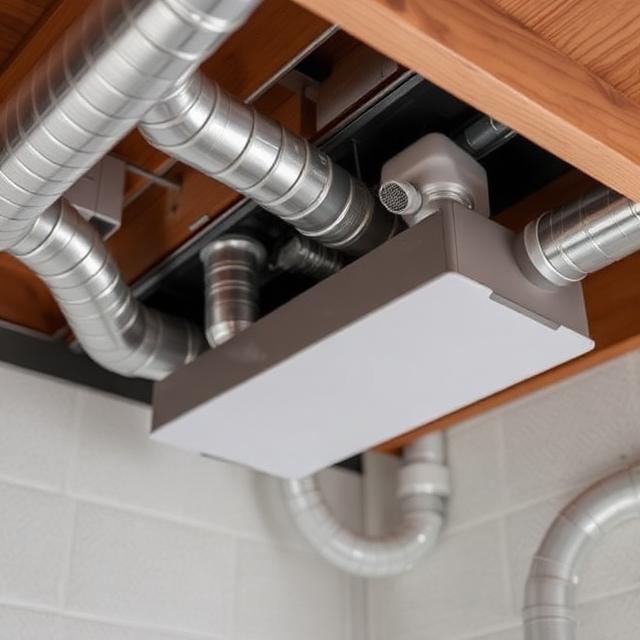
Castellex is a UK-based manufacturer that has become the go-to brand for residential NBC filtration. The Air550 is their flagship unit — a 4-stage filtration system (pre-filter, HEPA H14, activated carbon, post-filter) that delivers 550 m³/h of clean air. That's enough for a 12-person bunker at sustained occupancy. The unit maintains positive overpressure automatically, with a digital display showing real-time air quality metrics. It's military-spec filtration packaged for civilian installation.
Build
9.0
Protection
9.2
Value
8.2
Features
9.0
Warranty
8.4
$2,200 – $3,400
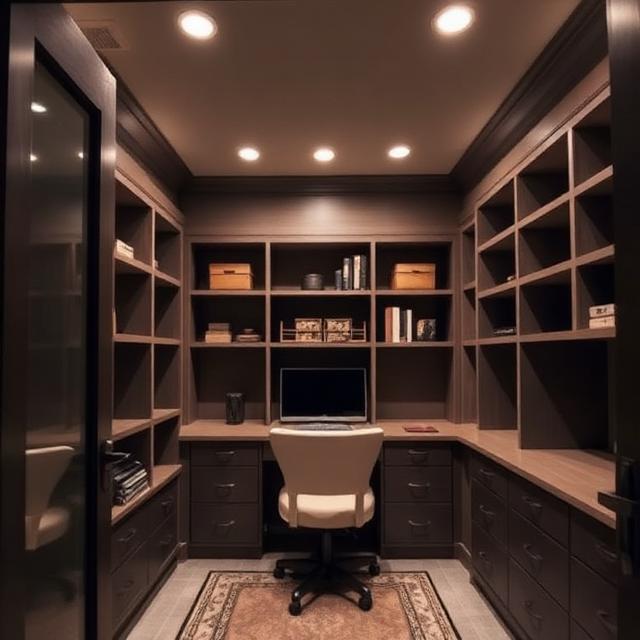
MIRA Safety has built a strong reputation in personal protective equipment, and the MB-90 brings that expertise to room-level filtration. This compact wall-mounted unit uses a 3-stage system (pre-filter, HEPA H13, activated carbon) that serves safe rooms up to 250 sq ft — ideal for closet conversions and single-room safe rooms. At $2,200-$3,400, it's the most accessible true NBC filtration system in our review. The brand's strong direct-to-consumer model means filters are always in stock and competitively priced.
Build
8.0
Protection
8.2
Value
9.2
Features
7.8
Warranty
8.2
$8,000 – $12,000
Andair is a Swiss manufacturer whose filtration systems have been installed in Swiss civil defense shelters since the 1960s. The FI-6 is their residential-grade NBC system — and "residential-grade" from a Swiss civil defense supplier means something different than from most competitors. This is a fully integrated blast valve + filtration unit designed to protect rooms up to 600 sq ft. The blast valve component (sold separately but designed as a system) prevents overpressure from nuclear detonation from entering the air intake.
Build
9.4
Protection
9.6
Value
6.8
Features
9.0
Warranty
8.2
| System | Score | Price | Capacity | Filter Stages | Power | Blast Valve |
|---|---|---|---|---|---|---|
| Castellex Air550 Our Pick | 8.8 | $4,800–$6,500 | 12 occupants | 4-stage (HEPA H14) | 240V | Optional |
| Andair AG FI-6 | 8.6 | $8,000–$12,000 | 600 sq ft | 3-stage + blast | 120V / Hand crank | Integrated |
| Bethel Industries NBS-10 | 8.4 | $5,500–$7,000 | 10 occupants | 4-stage (HEPA H14) | 120V | Optional |
| MIRA Safety MB-90 | 8.3 | $2,200–$3,400 | 4 occupants | 3-stage (HEPA H13) | 120V | No |
| Safe Cell SC-NBC | 7.9 | $3,500–$4,800 | 6 occupants | 3-stage | 120V | Optional |
| Temet SDSA | 7.6 | $6,000–$9,000 | 8 occupants | 3-stage | 120V / Hand crank | Integrated |
| Lunor NBC-R | 7.4 | $3,000–$4,200 | 6 occupants | 3-stage | 120V | No |
Installation
The intake pipe must draw air from outside the shelter. For underground bunkers, route the intake pipe to the surface with a minimum 6-inch diameter. Place the intake at least 3 feet above ground level to avoid pooling contaminants. Use a 90-degree bend at the top (gooseneck) to prevent rain entry. For above-ground safe rooms, the intake can go through an exterior wall with a sealed penetration.
Every NBC system needs an exhaust path for overpressure relief. This is typically an overpressure valve installed in the shelter wall or door. The valve allows filtered air to push outward through gaps but prevents outside air from entering. Size the exhaust to match your system's CFM rating. Some systems include the overpressure valve; others require a separate purchase.
Most residential NBC systems run on standard 120V (except the Castellex Air550, which requires 240V). Dedicate a circuit for the filtration system — do not share with lighting or other equipment. Install a battery backup (UPS) or generator connection. Systems with hand-crank backup (Andair, Temet) provide indefinite operation without power.
Wall-mounted units (MIRA MB-90, Safe Cell) require structural mounting points — not drywall alone. Floor-mounted units (Castellex, Andair) need a level surface and vibration dampening. Allow 12-18 inches of clearance around the unit for airflow and filter access. Plan the layout before finishing interior walls.
Maintenance
| Task | Frequency | Est. Cost | Notes |
|---|---|---|---|
| Visual inspection | Every 6 months | Free | Check for visible damage, corrosion, loose connections |
| Test run (power on) | Monthly | Free | Run for 15 min to verify motor, airflow, and pressure |
| Pre-filter replacement | Annually | $20–$50 | Traps large particles before the HEPA stage |
| HEPA filter replacement | Every 5–7 years (standby) | $100–$300 | Replace sooner if unit has been actively used |
| Carbon filter replacement | Every 3–5 years (standby) | $150–$400 | Carbon degrades over time even in sealed storage |
| Full filter set replacement | After any NBC event | $200–$600 | Replace all filters immediately after active use |
| Blast valve test (if equipped) | Annually | Free | Verify valve moves freely and seals properly |
Stock at least 2 complete replacement filter sets in your shelter at all times. Verify filter availability from your manufacturer before purchasing the system — some brands have limited US distribution. See our cost guide for full safe room budgeting.
It depends on your threat model. HEPA alone handles particulates — dust, smoke, pollen, and radioactive fallout particles. For most storm-related use cases, HEPA is sufficient. NBC filtration adds activated carbon to neutralize chemical and biological warfare agents. If you're building a safe room primarily for storms and home security, a HEPA-only system saves money. If you want protection against chemical or biological threats, you need the full NBC stack.
In sealed storage, HEPA filters last 5-10 years. Activated carbon filters last 3-5 years sealed. Under active use in an NBC event, filter life depends on contamination levels — typically 24-72 hours for carbon filters, longer for HEPA. We recommend stocking 2-3 replacement filter sets and rotating them on a schedule. Most manufacturers sell replacement filter kits for $200-$600.
A blast valve is a mechanical device installed in the air intake that automatically closes when it detects a pressure wave (from an explosion or nuclear detonation). This prevents the overpressure from destroying your filtration system and flooding the room with unfiltered air. For underground bunkers designed to protect against blast events, a blast valve is essential. For above-ground safe rooms, it's optional — the primary threats (storms, home invasion) don't generate blast waves.
Summit Safe Rooms earns a commission when you purchase through our links. This doesn't affect our ratings or editorial independence. All prices are approximate and may vary. Last updated March 2026.